The cost for garage door installation depends on the door size, material, style, site condition, removal needs, and opener work. A simple replacement may need less work than a custom door with frame repairs. The final quote should match the home, access, parts, safety needs, and full installation plan.
A new garage door can restore security and make daily access easier. It can also help a home look complete. Still, quotes can be hard to compare when each company lists different work. Knowing what affects the project helps homeowners and property owners ask clear questions.
Kingman Garage Door Repair helps property owners understand the work behind a new door. These same factors matter for homes, businesses, rentals, and detached garages across Kingman, including Hilltop, Clacks Canyon, New Kingman-Butler, Golden Valley, Valle Vista, and nearby communities.
Table of Contents
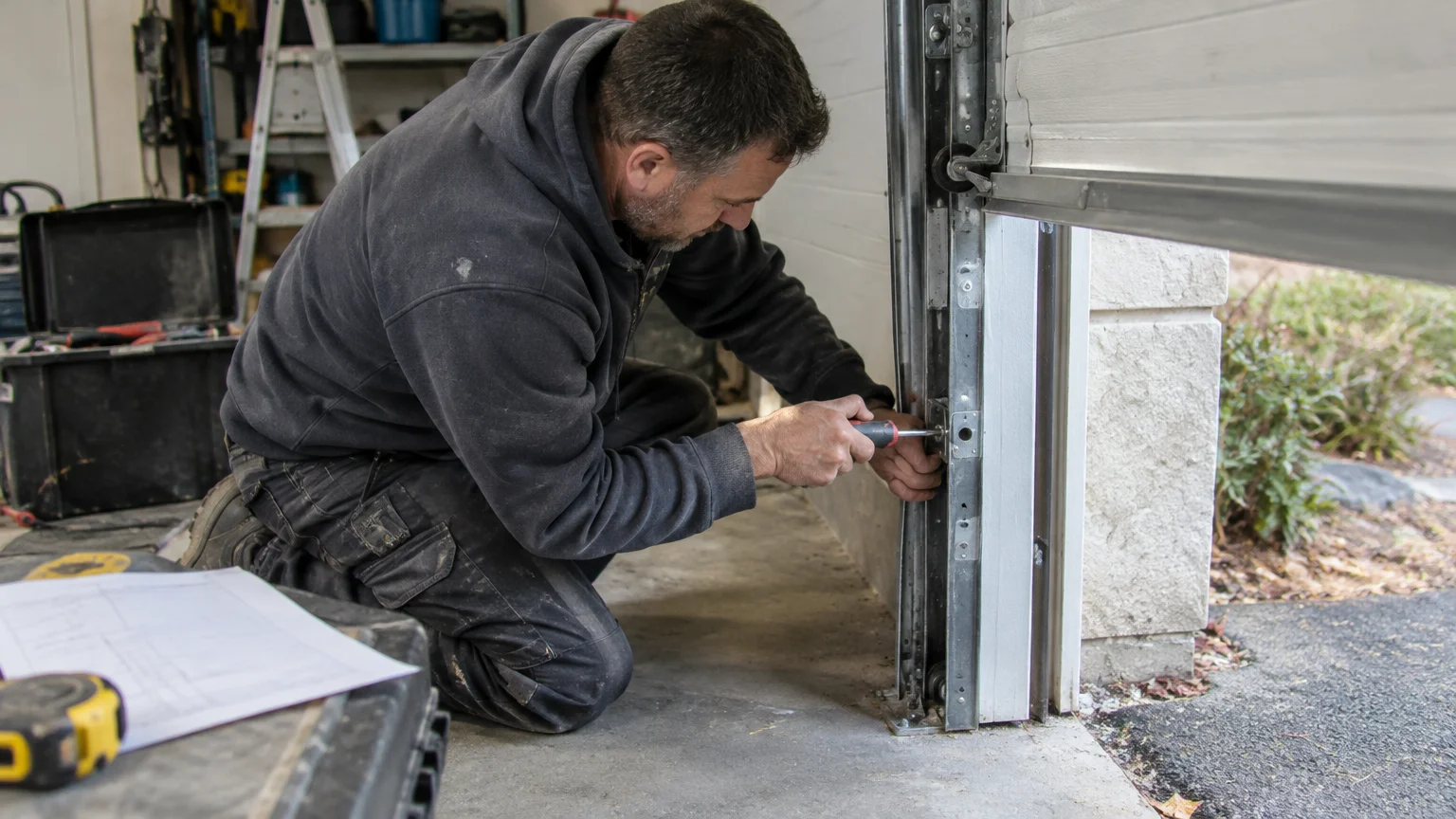
- What factors determine the cost for garage door installation?
- Which garage door style and material should you choose?
- How much does removing an old garage door add to the job?
- Does installing a new garage door opener change the cost?
- What preparation or structural repairs can affect installation?
- Is it more practical to replace the garage door and opener together?
- How can you compare garage door installation quotes?
- Frequently Asked Questions
What factors determine the cost for garage door installation?
The main factors are door size, door type, material, labor, removal, access, and repairs. A standard single-car opening has different needs from a wide double-car opening. A custom opening may also need more planning before work starts.
The door must fit the opening and move safely. Installers check the width, height, headroom, side room, and backroom. These measurements affect the tracks, springs, rollers, brackets, and opener choice. A door that does not fit the space may need extra preparation.
How door size, layout, and material affect the installation
A larger door weighs more and may need stronger springs, tracks, and an opener. A tall door or unusual ceiling may need different hardware. Steel, aluminum, wood, and composite doors also have different weight, care, and mounting needs.
Material affects more than the look. It can change insulation, weather protection, panel strength, and upkeep. A door for an attached home may need better sealing than a door for a separate storage building.
Why site conditions can change the work involved
The garage needs to provide a safe work area. Tight access, stored items, low ceilings, damaged tracks, or poor light can make preparation harder. A commercial door may also need work around vehicles, shelves, loading areas, or business hours.
The final cost is confirmed on a quote after the installation needs are reviewed. Kingman Garage Door Repair can help Kingman property owners understand which parts of the work are included before installation begins.
Which garage door style and material should you choose?
The best garage door depends on the opening, use, security needs, and property design. Sectional doors suit many homes because they move upward in panels. Roll-up doors can work well where overhead space is limited. Side-hinged doors may suit older homes or special layouts.
No style works for every garage. Headroom, side space, ceiling shape, and daily use all matter. A trained installer can check if the planned door will work with the current opening.
How sectional, roll-up, side-hinged, and custom doors compare
Sectional doors use horizontal panels that move along tracks. Roll-up doors coil above the opening and may suit some commercial or small spaces. Side-hinged doors swing outward and need clear space in front of the garage.
Custom doors can match a home’s design more closely. They may need special sizes, panels, windows, finishes, or hardware. This added planning can make the work more involved than a standard replacement.
What insulation, windows, finishes, and hardware add to the project
Insulated panels can help a garage stay more stable in hot or cold weather. Windows can add daylight but may change panel weight and placement. Decorative handles, stronger hinges, special colors, and custom finishes also affect the selected parts.
Choose features that meet a real need. Insulation may help when a garage is used as a workshop. Windows may help when the room needs more light. The goal is a safe, useful door rather than features that do not help the property.
How much does removing an old garage door add to the job?
Removing an old door adds work when panels, tracks, springs, cables, or an opener must be taken down safely. The work depends on the door’s condition, size, weight, and connection to the garage. Disposal and cleanup may also be part of the project.
Old doors can have parts under strong tension. Torsion springs and extension springs store energy. Lift cables may also remain tight. Homeowners should not remove these parts themselves. A mistake can cause serious injury or damage to the door, wall, vehicle, or tools.
When old tracks, panels, springs, and openers need separate removal
Some replacement jobs use parts that will not work with the new door. Old tracks may be bent, worn, or made for another panel size. An opener may also need removal when its lifting force, rail, controls, or safety features do not match the new door.
Hidden damage may appear after the old parts come down. This can include loose fasteners, cracked framing, rusted supports, or worn weather seals. The quote should explain if removal, handling, disposal, and preparation are included.
How disposal and preparation affect the installation scope
Large doors and metal tracks need careful handling. The work area should be clear before the crew arrives. The garage floor, driveway, and nearby walls should also be protected from loose parts and debris.
A homeowner can move stored items away from the opening and keep children and pets out of the area. Cleaning the garage floor can also help. Spring, cable, and bottom-bracket removal should remain with a trained professional.
Does installing a new garage door opener change the cost?
Yes, a new opener changes the project because it adds equipment, setup, testing, and fit checks. The opener must match the door’s weight, size, balance, travel, and use. The new door and opener should be planned as one safe system.
An opener is the motorized unit that lifts and lowers the door. It uses a drive system, rail, controls, and safety devices. A weak or worn opener may struggle with a new door even when the door is installed correctly.
How opener type, lifting capacity, and drive system matter
Chain-drive, belt-drive, and wall-mounted openers have different layouts and sounds. The best choice depends on ceiling space, nearby rooms, side room, and daily use. A heavier door may need an opener with the right lifting capacity.
Smart controls, battery backup, lights, and keypad access can add useful features. They should meet the property’s needs instead of being chosen only for looks. A business owner may want access control, while a homeowner may prefer quiet operation.
Why door and opener compatibility should be checked together
A door should move smoothly by hand when it is properly balanced. Homeowners should not test spring tension or adjust lifting parts. The opener should not force a door that binds, drags, or sits unevenly. These problems can damage the system and create a safety risk.
Garage Door Opener Repair may help when an existing motor has a simple fault. A full replacement may make more sense when the opener is old, damaged, or not right for the new door. Kingman Garage Door Repair can review the door and opener together for homes and nearby service areas.
What preparation or structural repairs can affect installation?
Preparation can change the installation when the frame, floor, ceiling, wiring, or mounting points are not ready. A new door needs a sound opening and secure hardware. These conditions may need correction before the door is fitted.
How damaged framing, uneven floors, and weak mounting points affect the work
Wood around the opening may be split, soft, or loose. A weak header or side jamb may not hold brackets safely. An uneven floor can leave a gap below the door. A damaged threshold can let in water, dust, or pests.
These issues may not show until the old door is removed. The quote should identify each repair and explain why it matters. Covering a weak area without fixing it can lead to poor alignment and early wear.
When electrical access, safety sensors, or weather sealing need attention
A new opener needs a suitable power source and safe control setup. Safety sensors sit near the floor and help stop the door when something crosses the opening. They must be aligned and tested during installation.
A garage door seal helps close gaps around the sides, top, and bottom. Worn seals may need replacement during the project. Homeowners can clean the opening and report drafts or water entry. Electrical changes and safety device work should be handled by qualified professionals.
Is it more practical to replace the garage door and opener together?
Replacing both can simplify planning when the old opener is worn, not compatible, or near the end of its useful life. One project can reduce the chance of fitting a new door around old hardware. It also lets the door balance, opener, sensors, and controls be checked together.
When coordinating both installations can simplify the project
A matching door and opener can reduce fit problems. The installer can choose the rail, motor, mounting points, and controls for the same door design. This may help avoid a later visit because the old opener cannot safely lift the new door.
The choice still depends on the existing opener. A newer unit that works well, fits the opening, and meets safety needs may not need replacement. The installer should inspect it rather than replace it automatically.
What to consider when an existing opener still works
A working opener may still have worn gears, noisy movement, old sensors, or a rail that does not match the new door. Remote controls and access settings may also need review. Ask if the current unit is suitable for the planned door.
Garage Door Maintenance can help find wear before a failure interrupts access. If the door is off track, cables are damaged, or the opener will not run, emergency repair may come first. Safe access matters more than keeping an unsuitable part in service.
How can you compare garage door installation quotes?
Compare quotes by checking the full work plan, not only the final figure. Each proposal should name the door style, size, material, insulation, hardware, opener, removal work, disposal, preparation, safety testing, and cleanup. Clear details make different proposals easier to compare.
Which parts of the proposed work should be listed clearly
A useful quote should explain what will be installed and removed. It should also note structural repair, electrical work, weather sealing, special access, or custom features. Ask about any parts that are excluded or may need approval after removal begins.
A clear proposal can include:
- The door size, style, material, finish, windows, and insulation
- The tracks, springs, rollers, brackets, seals, and other hardware
- The opener type, drive system, controls, sensors, and battery backup
- Removal, disposal, site preparation, repairs, testing, and cleanup
- The work plan and how changes will be confirmed
Why an on-site assessment confirms the final installation requirements
An on-site assessment helps the installer check measurements and conditions that photos cannot show. It may reveal low headroom, tight side space, weak framing, uneven floors, or hidden damage. These details help prevent delays and unsafe shortcuts.
The final cost is confirmed on a quote after the property and installation plan are reviewed. Kingman Garage Door Repair serves homeowners and property owners across the Kingman area. The team can help explain the work before a garage door is fitted.
Key takeaways
- Door size, material, style, and custom features shape the installation work.
- Removal may include panels, tracks, springs, cables, the opener, and disposal.
- Structural repairs, wiring, sensors, and weather seals may affect the project.
- A new door and opener should be checked for fit and safe operation together.
- The final cost is confirmed after an on-site review and written quote.
Frequently Asked Questions
How much is it for garage door installation?
The cost depends on the door size, material, design, site condition, removal needs, opener choice, and repairs. A basic replacement usually has fewer moving parts than a custom door with structural work. The final cost for garage door installation is confirmed after the property and work plan are reviewed.
Who repairs garage doors near me?
A local garage door repair company can assess broken springs, damaged cables, off-track doors, and opener faults. Choose a provider that explains the safety risks and planned work clearly. Kingman Garage Door Repair can assess repair or replacement needs and confirm the next safe step.
Can a homeowner install a garage door?
A homeowner can handle simple preparation, such as clearing the garage and checking for visible damage. Door installation involves heavy panels, springs, cables, brackets, and exact alignment. Spring and cable work should be left to a trained professional because stored tension can cause serious injury.
Should the opener be replaced with the garage door?
Not always. An existing opener may remain suitable if it is compatible, safe, balanced with the new door, and in good condition. Replacement may make more sense when the opener is worn, noisy, weak, outdated, or made for another door size or weight.
What should a garage door installation quote include?
A quote should describe the door, hardware, opener, removal, disposal, preparation, repairs, safety testing, weather sealing, and cleanup. It should also explain what is excluded and how unexpected conditions will be handled. An on-site assessment helps confirm the installation needs before work begins.
Conclusion
The cost for garage door installation reflects the complete job, not only the door panel. Size, style, material, opener choice, removal, access, structure, electrical needs, and safety work all matter. Careful planning helps protect the home, business, vehicles, and people using the garage.
A homeowner should never adjust springs, cables, bottom brackets, or other parts under tension. Simple cleanup and access preparation are safe, but technical installation and hazardous repairs need the right tools and training. Contact us today to arrange an urgent assessment and confirm the installation work your property needs.